

The Complete Guide to Building Material Prices in Riyadh 2026: Indicators, Suppliers, and Financing Options
What's driving prices right now
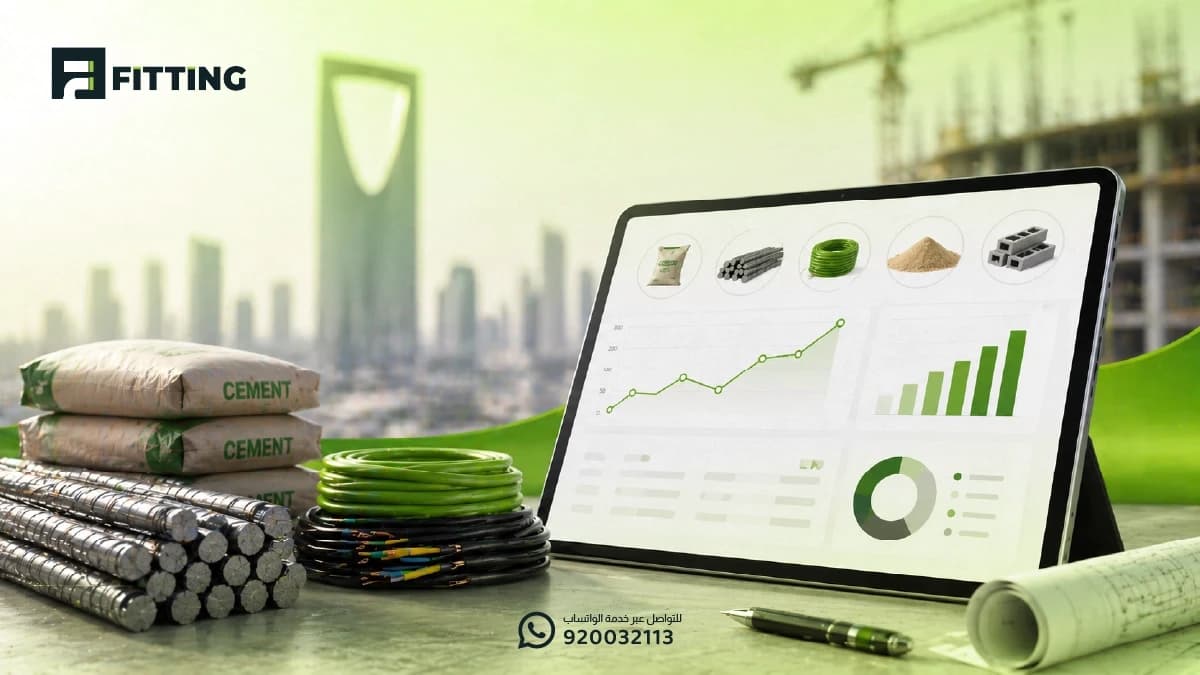
Cement, steel, and finishing materials in Riyadh have moved in different directions over the past year, shaped by import costs, local production capacity, and the pace of new residential and commercial launches across the city.
Fuel and transport costs also play a bigger role than most buyers expect — a shipment delayed at the port or rerouted around a congested corridor can add several percentage points to a supplier's final quote before a single bag of cement changes hands.
Who the major suppliers are
Riyadh's supply base splits roughly into three tiers: large regional factories with their own logistics fleets, mid-size distributors who buy in bulk and resell to showrooms, and specialized importers who focus on finishing materials like switches, fittings, and fixtures.
Each tier prices differently. Factories offer the best per-unit rate at high volumes but require longer lead times; distributors trade a slightly higher price for faster turnaround and smaller minimum orders.
Financing options available to buyers
Deferred-payment accounts, staged invoicing tied to delivery milestones, and short-term credit lines from suppliers are all common in the Riyadh market, especially for contractors managing multi-phase projects.
Buyers who can show a track record of on-time payment typically unlock better terms within a few orders, which is why building a relationship with a small number of trusted suppliers tends to pay off more than constantly shopping for the lowest one-off quote.